
Electric Toothbrushes for Braces & Aligners
Share
Braces and clear aligners fast-track straight teeth, but they also create new hideouts for plaque. Here's a clean, science-minded routine that keeps teeth bright, gums calm, and appliances crystal clear.
Quick Summary
- Brush morning and night (ideally after meals) with a soft-bristle electric toothbrush; angle bristles 45 degrees above and below brackets.
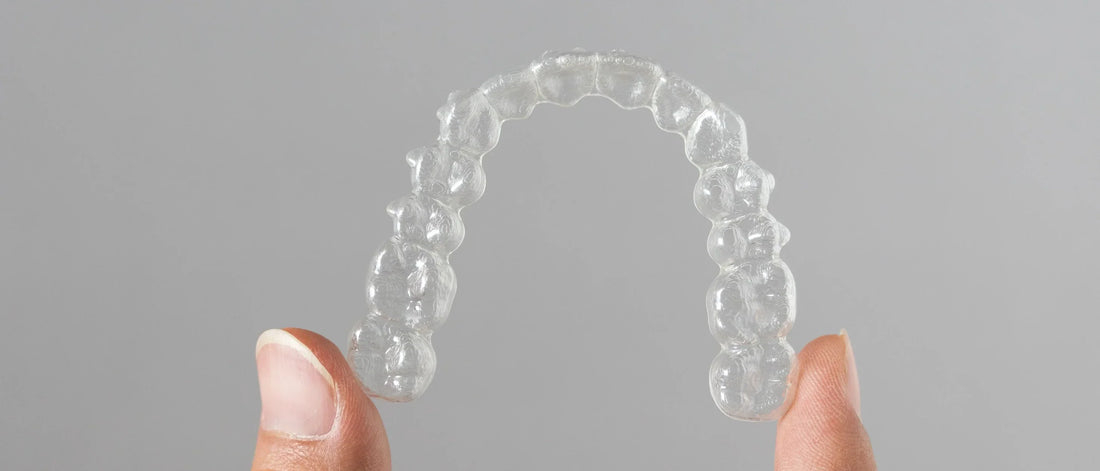
- Aligners and retainers: rinse whenever you remove them; clean daily with a soft brush and mild soap (not toothpaste); avoid hot water.
- Floss daily with threaders, interdental brushes, or a water flosser — brushing alone won't reach under wires.
- Choose compact heads and gentle modes (Sensitive or Gum Care) if you have tender gums or lots of tight areas.
Why Extra Care Matters with Orthodontics
Brackets, wires, and aligner trays add edges and surfaces where food and biofilm collect. That raises the risk of white spot lesions, gingivitis, and bad breath. The dental standard is to brush at least twice daily, and whenever you can after meals. Use fluoride toothpaste and consider fluoride mouthwash if you're cavity-prone.
Electric vs Manual: What Actually Changes
You can stay clean with either — technique is everything — but electric brushes make thorough cleaning easier:
- Consistent motion around brackets and tight spots
- Built-in timers to hit the full 2 minutes
- Often smaller heads that manoeuvre better around hardware
Studies consistently show better plaque control with power brushing in orthodontic patients. See our full comparison of sonic vs oscillating electric toothbrushes to understand which technology suits your mouth.
How to Brush with Braces (Step-by-Step)
- Rinse first to loosen debris.
- Use a soft, compact head and a pea-sized amount of fluoride paste.
- Hold at 45 degrees to the gumline, clean above and below each bracket with gentle micro-motions.
- Clean every tooth, every surface — fronts, backs, chewing surfaces. Let the electric brush do the work; guide it tooth by tooth.
- Sweep along the gumline and clean the tongue.
- Don't rinse immediately — let fluoride sit for a minute before spitting. Aim for 2 minutes total (the QuadPacer helps).
Brushing with Aligners: The Golden Rule
Any time you eat or drink (water excepted), brush before trays go back in. Trapping sugars and acids under aligners is a fast track to decay and cloudy plastic. If brushing isn't possible, rinse thoroughly, then brush as soon as you can. Wait 15 to 30 minutes after acidic foods before brushing to protect enamel.
Cleaning Clear Aligners and Retainers
Do:
- Rinse trays every time you remove them (lukewarm water).
- Clean daily with a soft brush and mild, unscented soap.
- Occasional soak with approved tablets or gentle DIY soaks; rinse well.
Don't:
- Use toothpaste — micro-scratches cloud trays and harbour more bacteria.
- Use hot water — warping risk.
- Leave trays exposed — store them in the case.
Flossing and Interdental Cleaning: Non-Negotiable
Toothbrush bristles can't reach between teeth or under wires. Pick at least one method and do it daily:
- Floss and threader: classic and thorough
- Interdental brushes: great around brackets
- Water flosser: fast and user-friendly, especially with braces
Consistent interdental cleaning cuts plaque and gingival bleeding far more than brushing alone. See our guide on the healthiest way to floss for step-by-step technique.
Best Brush Heads and Modes for Sensitive Gums
- Choose a small or compact brush head with soft bristles.
- Use Sensitive or Gum Care mode after adjustments or when gums feel tender.
- Replace heads every 3 months, or sooner if bristles splay.
Your Simple Orthodontic Routine
Morning and night:
- Brush 2 minutes (electric, soft, compact head)
- Interdental clean (floss with threader, interdental brush, or water flosser)
- Fluoride boost (paste residue or mouthwash later in the day)
Daytime: brush or rinse before aligners go back in; keep trays in their case.
Stick with this routine and braces-off day will look as good as it feels.


